In short
- Yes, wear it to bed. If WHOOP comes off while you sleep, the app gives no Recovery score that morning.
- WHOOP picks up any sleep longer than an hour on its own and files it as sleep or a nap by the time of day.
- Sleep Performance blends four things: enough sleep, regular timing, how much of your time in bed you actually slept, and stress during sleep. 85% or more is optimal.
- Sleep stages are estimates, so read the trend over several nights rather than judging one.
On the first night with a new WHOOP, plenty of people leave it next to the pillow because they aren't used to wearing anything in bed. In the morning, the app has no Recovery to show. The short answer is yes, wear it to bed: much of what WHOOP tells you in the morning comes from the hours you were asleep.
What happens if you take it off at night
Your morning Recovery is built from HRV, resting heart rate, respiratory rate, skin temperature, blood oxygen, and how long and how well you slept that night. WHOOP's help pages say that if the device comes off while you sleep, there's no Recovery score that morning, and the same goes when less than 85% of your sleep is captured, for example if the battery dies overnight.
Before lights out, three checks are enough.
- Snug, not tight: the band shouldn't slide when you move your hand, and no green light should show from under the sensor. If your skin gets red, loosen it slightly while keeping contact.
- Enough battery for the night: if it dies, there's no Recovery, and if you've set an alarm it needs more than 10% at bedtime.
- Wear it at least three nights in a row before Sleep Consistency starts.
How WHOOP knows you're asleep
WHOOP reads your heart rate and movement. Any sleep longer than an hour is logged automatically and filed as sleep or a nap depending on the time of day. Each one is split into light, deep and REM sleep, and deep plus REM counts as Restorative Sleep.
Wake for less than 50 minutes in the night and WHOOP keeps it as one sleep; stay up longer and the second part becomes a nap. If the times look off, you can edit them in the app, or turn a nap into sleep as long as it wasn't too long ago.
Sleep Performance: four things in one number
Sleep Performance no longer looks only at whether you slept your hours. It blends four things and weights them differently. WHOOP doesn't publish the weights, but it does publish the ranges for each one.
| Metric | Optimal | Sufficient | Poor |
|---|---|---|---|
| Sleep Performance (overall) | 85% or more | 70–85% | Below 70% |
| Sufficiency: sleep vs need | 85% or more | 70–85% | Below 70% |
| Consistency: regular bed and wake times | 80% or more | 70–80% | Below 70% |
| Efficiency: time asleep vs time in bed | 90% or more | 80–90% | Below 80% |
| Sleep Stress: time in high stress during sleep | Under 1% | 1–5% | Over 5% |
Start with whichever one sits in the sufficient or poor range: WHOOP says that's the most direct way to lift the overall score. Sleep Stress often comes from illness, hard training, a stressful day, late meals or alcohol, so log them in the Journal and you'll see which nights line up with what.
Sleep Need and Sleep Debt
The hours WHOOP says you should sleep tonight are your Sleep Need: your baseline, plus the day's Strain, plus Sleep Debt from earlier nights, minus any naps. So the number moves through the day. A hard training day means more sleep, and a nap trims tonight's need, though naps don't count towards Sleep Debt or Recovery directly.
Sleep Planner offers two kinds of goal. Improve My Sleep nudges your bedtime a little at a time towards a steadier schedule and pays back sleep debt gradually. Reach My Sleep Need lets you aim for 70%, 85% or 100% of what your body needs and tells you when to go to bed.
A vibrating alarm on your wrist
Wake Alarm wakes you with a vibration on your wrist, in one of three modes: at an exact time, when you've reached your sleep goal, or when your Recovery is in the green. The last two work within a one-hour window, so if you hit your goal early it may go off before the latest wake time you set. On WHOOP 5.0 and MG the alarm is more precise than on 4.0, and Sleep Planner adjusts for time zones when you travel.
If it doesn't buzz one night, check two things: the battery needs more than 10% at bedtime, and WHOOP has to be connected to your phone over Bluetooth when you set the alarm, or the setting won't save.
How accurate are the sleep numbers?
A 2025 study in SLEEP Advances had 62 adults spend a night each in a sleep lab and compared six wrist-worn trackers with polysomnography, the clinical standard. For the 40 who wore a WHOOP 4.0, it caught about 94% of the time spent asleep but only about 40% of the time awake, so it overestimated total sleep by about 24 minutes on average and underestimated time awake in the night by about 19 minutes. Its sleep staging agreed with the lab at a fair level.
This study tested WHOOP 4.0; 5.0 and MG weren't part of it. The practical takeaway: WHOOP tells sleep from wake fairly well but tends to count a little too much sleep, and one night's deep and REM figures are estimates, so the weekly trend is more useful. WHOOP isn't a diagnostic tool. If you snore heavily, often wake with a start or feel unusually sleepy all day, see a doctor.
On all day and night: pick a band you're happy to see every morning
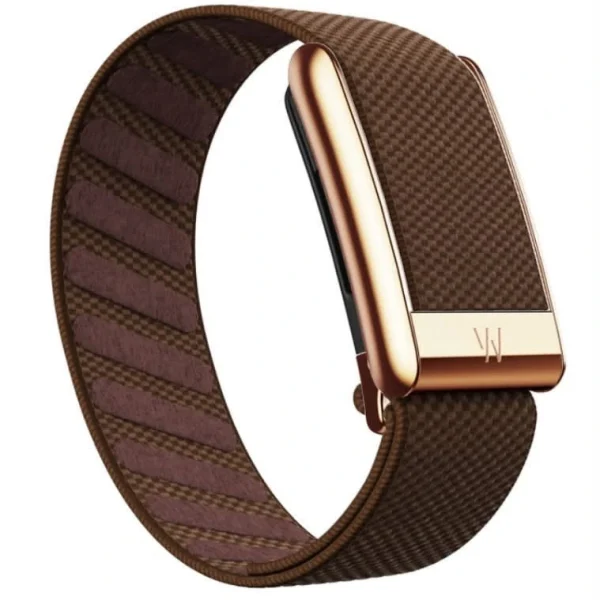
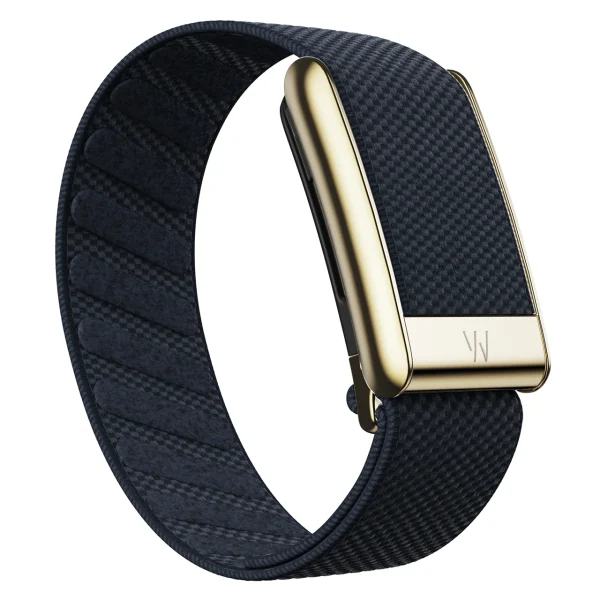
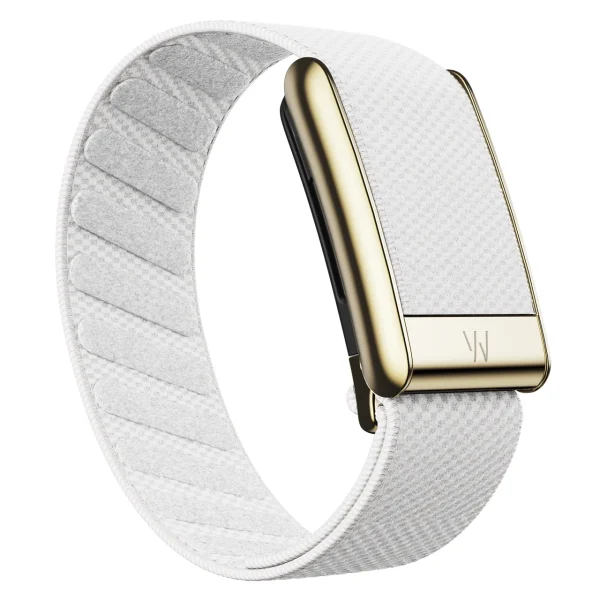
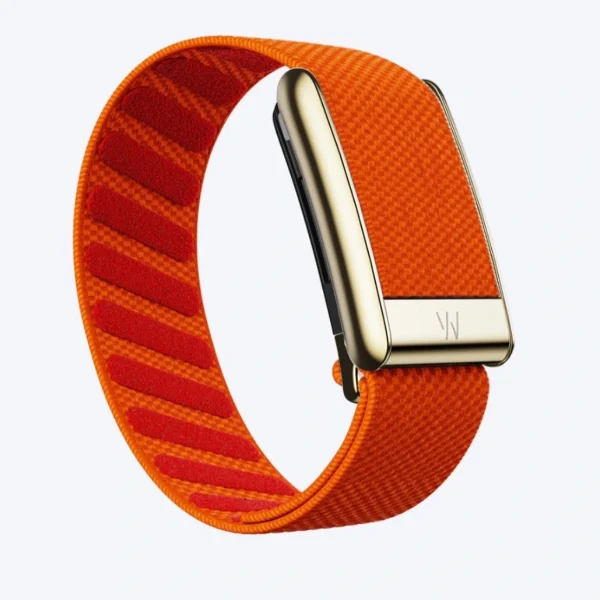
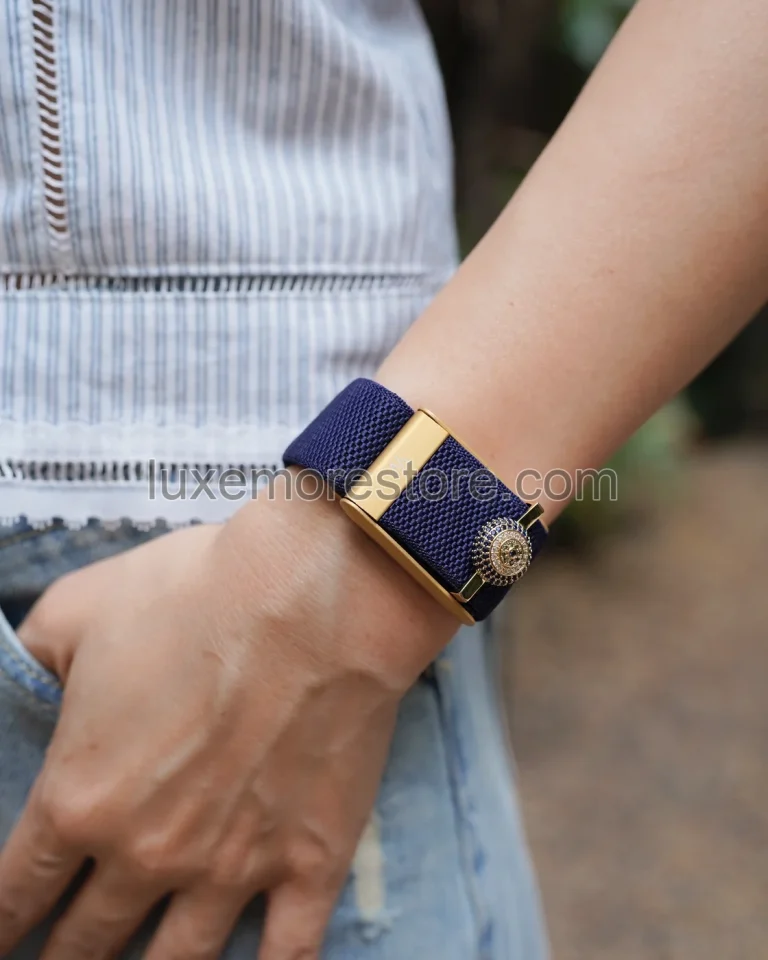
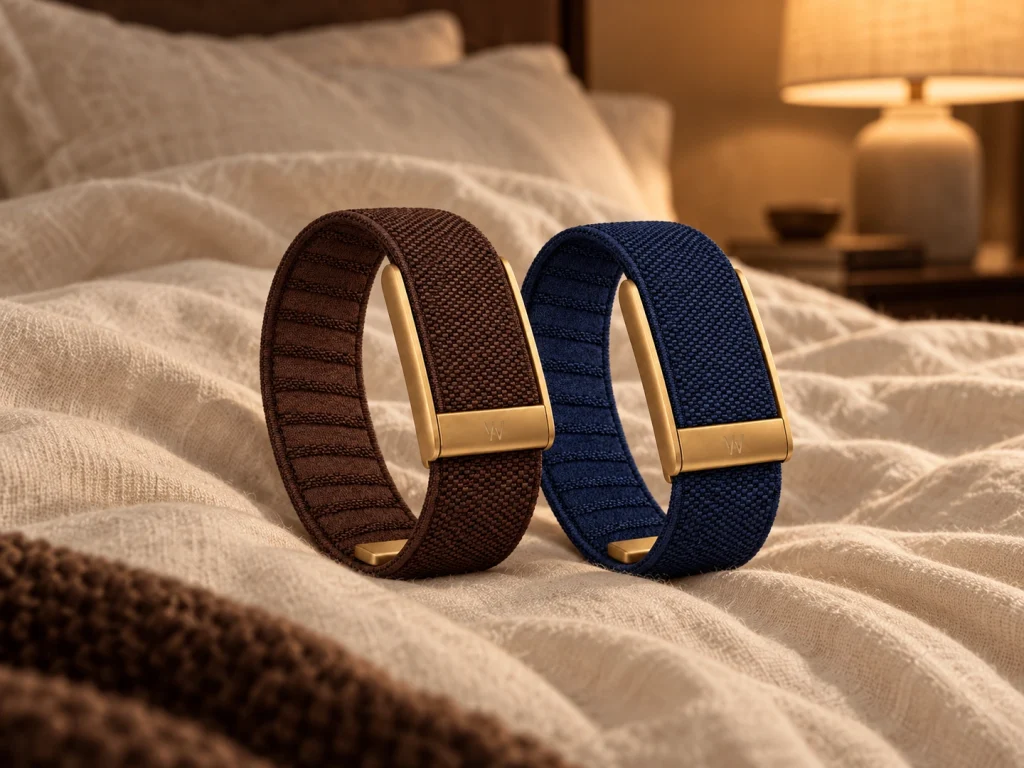
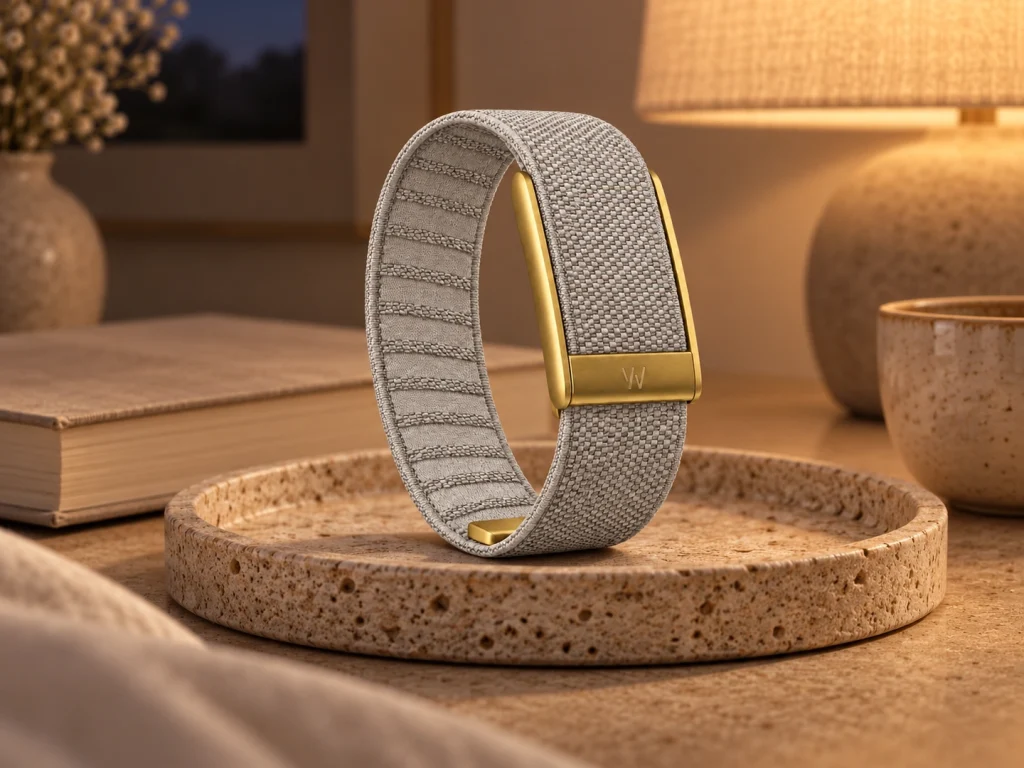
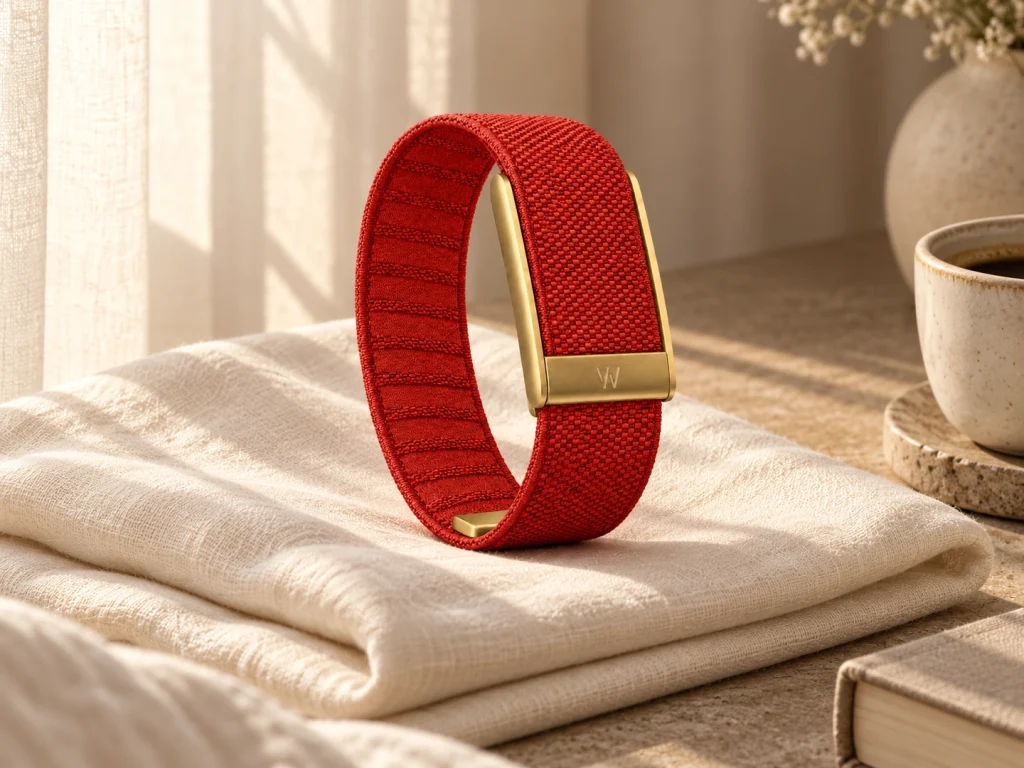
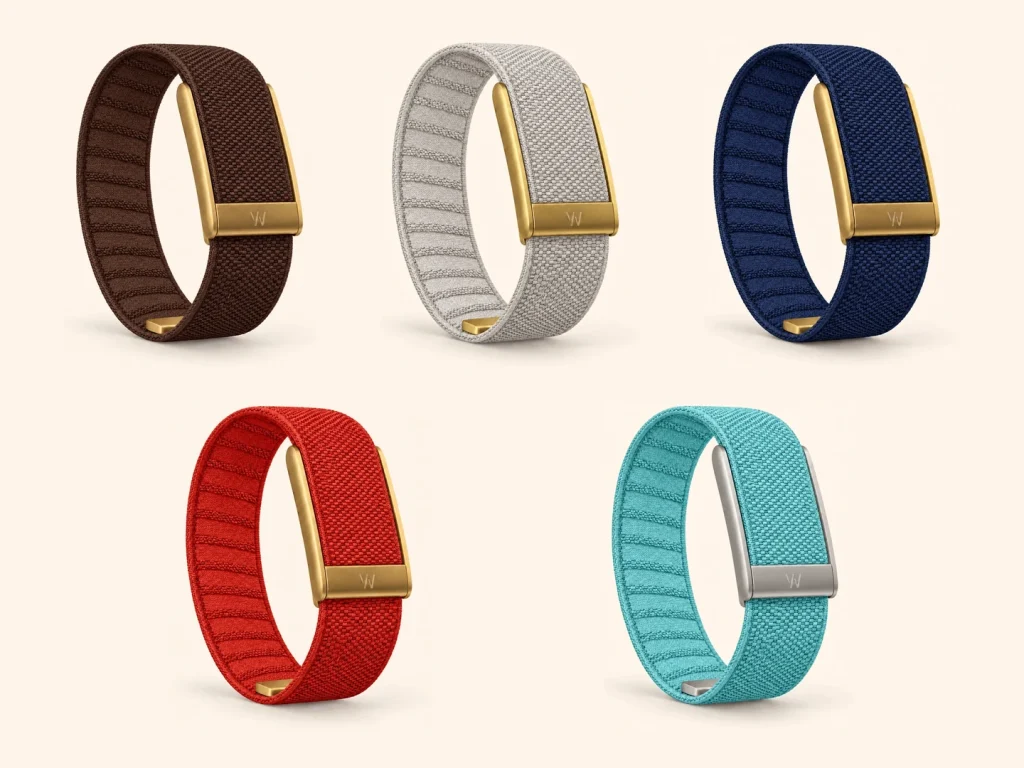
When WHOOP never leaves your wrist, the band becomes one of the things you see most in a day, from lights out to the first coffee. Some go for a quiet colour like Glacier or Coffee that works with pyjamas and work clothes alike; others like a brighter Red or Aqua to wake up to.
Two bands make it easy: wear one while the other is washed and fully dried, then move the sensor across, so there's never a night without WHOOP.
Common questions
Can I take WHOOP off at night?
You can, but there'll be no Recovery score that morning: WHOOP needs data from your sleep, and it won't score a night where less than 85% of it was captured.
Does WHOOP count daytime naps?
WHOOP picks up naps longer than an hour on its own; shorter ones you can log in the app. A nap lowers that night's Sleep Need but doesn't count towards Sleep Debt or Recovery directly.
What's a good Sleep Performance?
85% or more is optimal, 70–85% is sufficient and below 70% is poor.
Why don't I see Sleep Consistency yet?
It needs three nights in a row of wearing WHOOP before it can be worked out.
Do LUXE MORE bands fit WHOOP 4.0?
No. Our bands fit WHOOP 5.0 and WHOOP MG (Life) only.
Can I take ECG readings on WHOOP MG with these bands?
On a WHOOP MG it won’t take ECG readings: ECG needs WHOOP’s own MG bands with contacts in the clasp. Everything else works as normal.
LUXE MORE is an independent third-party retailer and is not affiliated with, endorsed by, sponsored by, or an authorized reseller of WHOOP. WHOOP is a trademark of its respective owner.